Your oral health is an essential part of your overall well-being. While brushing twice a day and flossing regularly are important, they alone cannot prevent every dental problem. Many oral health issues develop silently without causing pain or visible symptoms until they become severe.
This is why regular dental check-ups play a vital role in maintaining healthy teeth and gums. Routine dental visits help prevent dental diseases, detect problems at an early stage, and save you from costly and complicated treatments in the future. Whether you’re a child, adult, or senior, scheduling dental check-ups every six months is one of the simplest investments you can make for lifelong oral health.
Why Are Regular Dental Check-Ups Important?
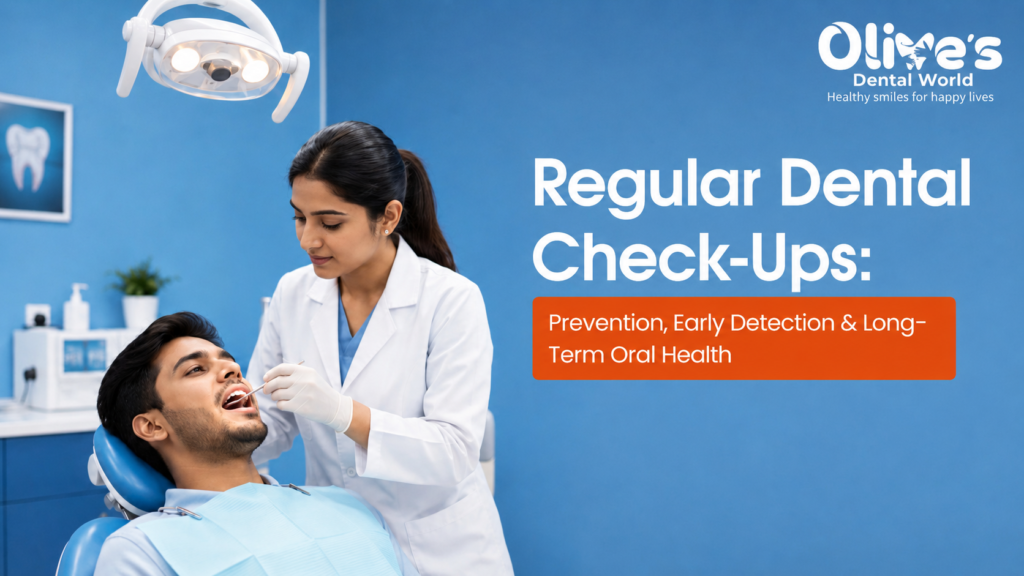
Dental check-ups are preventive appointments where your dentist examines your teeth, gums, tongue, and entire oral cavity to identify any potential issues before they become serious.
During a routine dental visit, your dentist can:
- Detect cavities early
- Check for gum disease
- Identify tooth wear or fractures
- Screen for oral cancer
- Examine previous fillings or crowns
- Remove plaque and tartar buildup
- Offer personalized oral hygiene advice
Most dental problems are easier, less painful, and less expensive to treat when diagnosed early.
Benefits of Regular Dental Check-Ups
1. Prevent Tooth Decay
Even with excellent brushing habits, plaque can accumulate in difficult-to-reach areas. Over time, plaque hardens into tartar, which cannot be removed by brushing alone.
Professional dental cleaning helps remove plaque and tartar, significantly reducing the risk of cavities.
2. Detect Gum Disease Early
Gum disease often begins with mild symptoms such as:
- Bleeding while brushing
- Swollen gums
- Bad breath
- Gum tenderness
If ignored, it can progress into periodontitis, leading to bone loss and tooth loss.
Regular dental examinations help detect gum disease before permanent damage occurs.
3. Prevent Tooth Loss
One of the leading causes of tooth loss in adults is untreated gum disease and advanced tooth decay.
Routine dental visits help preserve your natural teeth through timely treatment and preventive care.
4. Early Detection of Oral Cancer
Oral cancer has a much higher success rate when diagnosed early.
During a dental examination, your dentist carefully checks:
- Tongue
- Lips
- Cheeks
- Floor of the mouth
- Palate
- Throat
Any suspicious lesions can be identified and investigated promptly.
5. Save Money on Dental Treatments
Preventive care is always more affordable than restorative procedures.
For example:
| Preventive Care | Advanced Treatment if Ignored |
| Small Filling | Root Canal + Crown |
| Professional Cleaning | Gum Surgery |
| Early Cavity Treatment | Tooth Extraction + Implant |
Regular check-ups help avoid expensive and invasive dental procedures.
6. Maintain Fresh Breath
Persistent bad breath may indicate:
- Plaque buildup
- Gum disease
- Tooth decay
- Dry mouth
- Oral infections
Professional cleaning removes bacteria responsible for unpleasant odors and helps maintain fresh breath.
7. Protect Overall Health
Research shows strong links between oral health and systemic health conditions such as:
- Diabetes
- Heart disease
- Stroke
- Pregnancy complications
- Respiratory infections
Keeping your mouth healthy contributes to better overall health.
What Happens During a Routine Dental Check-Up?
A typical dental appointment includes:
Medical & Dental History Review
Your dentist reviews:
- Medical conditions
- Current medications
- Previous dental treatments
- Symptoms or concerns
Digital Dental X-rays (If Needed)
X-rays help detect hidden issues such as:
- Cavities between teeth
- Bone loss
- Impacted teeth
- Root infections
- Cysts
Professional Teeth Cleaning
The dental hygienist removes:
- Plaque
- Tartar
- Surface stains
Your teeth are then polished for a smoother, cleaner finish.
Personalized Oral Health Advice
Your dentist may recommend:
- Proper brushing techniques
- Flossing methods
- Mouthwash
- Dietary changes
- Fluoride treatments
- Night guards for teeth grinding
Signs You Should Visit the Dentist Immediately
Don’t wait for your next routine appointment if you experience:
- Tooth pain
- Swollen gums
- Bleeding gums
- Loose teeth
- Persistent bad breath
- Tooth sensitivity
- Mouth ulcers lasting over two weeks
- Jaw pain
- Broken or chipped tooth
Prompt treatment can prevent more serious complications.
How Often Should You Have a Dental Check-Up?
For most people:
Every 6 months is recommended.
However, some individuals may need more frequent visits, including those with:
- Diabetes
- Gum disease
- Smokers
- Orthodontic braces
- Dental implants
- Pregnancy
- Frequent cavities
Your dentist will suggest a schedule tailored to your oral health needs.
Tips to Maintain Good Oral Health Between Visits
Follow these daily habits:
- Brush twice daily using fluoride toothpaste.
- Floss once every day.
- Clean your tongue regularly.
- Limit sugary foods and drinks.
- Drink plenty of water.
- Avoid smoking and tobacco products.
- Wear a mouthguard during sports.
- Replace your toothbrush every 3–4 months.
- Visit your dentist regularly.
Common Dental Problems Prevented by Regular Check-Ups
Routine dental visits can help prevent or detect:
- Tooth decay (cavities)
- Gingivitis
- Periodontitis
- Tooth sensitivity
- Enamel erosion
- Oral cancer
- Teeth grinding (bruxism)
- Bad breath (halitosis)
- Impacted wisdom teeth
- Bite alignment issues
Myths About Dental Check-Ups
Myth 1: I Only Need a Dentist If My Tooth Hurts
Fact: Many dental problems develop without pain. Regular check-ups help identify issues before symptoms appear.
Myth 2: Brushing Alone Is Enough
Fact: Brushing cannot remove hardened tartar. Professional cleaning is necessary to maintain optimal oral health.
Myth 3: Dental Visits Are Painful
Fact: Modern dental care is designed to be comfortable. Preventive visits are generally quick, painless, and help avoid more invasive treatments later.
Myth 4: Baby Teeth Don’t Need Check-Ups
Fact: Healthy primary teeth are important for proper chewing, speech development, and guiding permanent teeth into the correct position.
Who Should Schedule Regular Dental Check-Ups?
Routine dental examinations are recommended for:
- Children
- Teenagers
- Adults
- Senior citizens
- Pregnant women
- Individuals with diabetes
- Orthodontic patients
- Smokers
- Patients with dental implants or crowns
Everyone benefits from preventive dental care, regardless of age.
Frequently Asked Questions (FAQs)
1. How often should I visit the dentist?
Most people should schedule a dental check-up every six months. Your dentist may recommend more frequent visits based on your oral health needs.
2. Are regular dental cleanings necessary if I brush every day?
Yes. Professional cleanings remove tartar and plaque that cannot be eliminated by brushing and flossing alone.
3. Do dental check-ups include oral cancer screening?
Yes. Many routine dental examinations include an oral cancer screening to detect abnormal changes in the mouth at an early stage.
4. Can dental check-ups prevent tooth loss?
Yes. Early detection and treatment of cavities and gum disease greatly reduce the risk of losing teeth.
5. Is a dental check-up painful?
Routine dental check-ups and cleanings are usually painless. If treatment is needed, your dentist can use modern techniques and anesthesia to keep you comfortable.
Protect Your Smile with Regular Dental Check-Ups
Regular dental check-ups are one of the most effective ways to protect your smile and overall health. They allow dentists to identify problems early, provide preventive care, and help you avoid more extensive treatments in the future. Combined with good oral hygiene practices at home, routine dental visits can keep your teeth and gums healthy for years to come.
Don’t wait for pain or discomfort to schedule an appointment. A simple check-up today can prevent significant dental issues tomorrow and ensure a lifetime of confident, healthy smiles.
Book your consultation: +91 954 20 32 323
visit our website: https://olivesdentalworld.com/about/