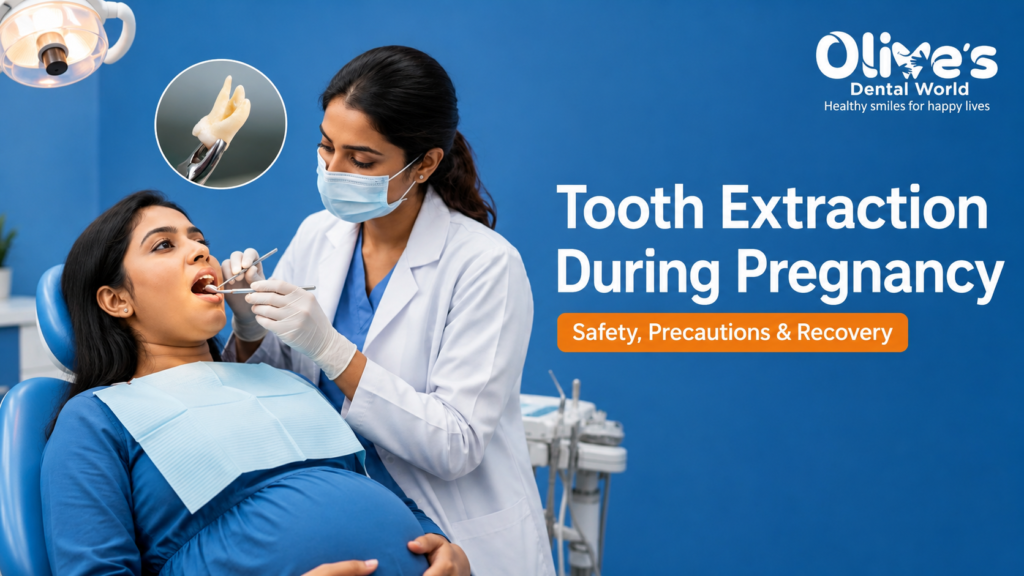
Pregnancy is an exciting journey, but it also brings many changes to your body including your oral health. Hormonal changes can increase the risk of gum disease, tooth decay, and dental infections. In some cases, severe tooth pain or infection may make tooth extraction during pregnancy necessary.
Many expectant mothers worry whether dental procedures could affect their baby’s health. The good news is that tooth extraction can be safely performed during pregnancy when medically necessary, provided the right precautions are followed. Delaying treatment for a serious dental infection may actually pose a greater risk than receiving timely dental care.
In this blog, we’ll explain when tooth extraction is safe during pregnancy, the best trimester for treatment, precautions to take, and tips for a smooth recovery.
Can You Have a Tooth Extracted During Pregnancy?
Yes. Tooth extraction is considered safe during pregnancy when recommended by your dentist or oral surgeon.
Dentists generally avoid elective dental procedures during pregnancy. However, if you have:
- Severe tooth pain
- Dental abscess
- Advanced tooth decay
- Broken tooth beyond repair
- Wisdom tooth infection
- Gum infection affecting surrounding teeth
Your dentist may advise extraction to prevent the infection from spreading.
Ignoring a serious dental infection can lead to increased pain, swelling, fever, and complications that may affect both mother and baby.
Is Tooth Extraction Safe for the Baby?
When proper precautions are taken, tooth extraction is generally safe for both mother and baby.
Your dentist will:
- Use pregnancy-safe local anesthesia
- Avoid unnecessary medications
- Coordinate with your gynecologist if needed
- Monitor your comfort throughout the procedure
The primary goal is to eliminate infection while ensuring the safest possible treatment.
Which Trimester Is Best for Tooth Extraction?
First Trimester (Weeks 1–12)
This is when the baby’s organs are developing.
Dentists usually avoid non-emergency procedures during this stage.
Only urgent treatments are performed if necessary.
Second Trimester (Weeks 13–27)
The second trimester is considered the safest time for dental procedures.
Benefits include:
- Lower risk to fetal development
- Better comfort for the mother
- Easier positioning during treatment
- Lower chance of pregnancy-related complications
Most necessary tooth extractions are scheduled during this period whenever possible.
Third Trimester (Weeks 28–40)
Dental treatment is still possible if needed.
However:
- Long appointments may become uncomfortable.
- Lying flat can cause dizziness due to pressure on major blood vessels.
- Frequent position changes may be required.
Emergency extractions can still be safely performed.
Common Reasons Pregnant Women Need Tooth Extraction
Some dental problems cannot wait until after delivery.
These include:
Severe Tooth Decay
When decay reaches the tooth nerve and the tooth cannot be saved.
Dental Abscess
An untreated infection can spread into surrounding tissues and bloodstream.
Wisdom Tooth Infection
Partially erupted wisdom teeth often cause:
- Swelling
- Pain
- Gum infection
- Difficulty opening the mouth
Broken Tooth
A fractured tooth that cannot be restored may require extraction.
Advanced Gum Disease
Severe periodontal disease can sometimes loosen teeth beyond repair.
Is Local Anesthesia Safe During Pregnancy?
Yes.
Local anesthetics such as lidocaine are commonly used during pregnancy and are considered safe when administered appropriately.
Your dentist will:
- Use the minimum effective dose
- Avoid unnecessary medications
- Monitor your health during the procedure
Never skip anesthesia due to fear it helps reduce stress and pain, which is beneficial for both mother and baby.
Are Dental X-Rays Safe During Pregnancy?
If absolutely necessary, dental X-rays can be safely taken using:
- Lead apron
- Thyroid collar
- Digital low-radiation imaging
Your dentist will only recommend X-rays when they are essential for diagnosis and treatment.
Medications Safe During Pregnancy?
After extraction, your dentist may prescribe pregnancy-safe medications.
Commonly recommended options include:
Pain Relief
- Paracetamol (Acetaminophen) is generally considered safe.
Antibiotics
When required, dentists may prescribe pregnancy-safe antibiotics such as:
- Amoxicillin (if appropriate)
- Penicillin-based antibiotics (when suitable)
Always take medications only as prescribed by your dentist and obstetrician.
Precautions Before Tooth Extraction
Before your appointment:
- Inform your dentist about your pregnancy.
- Mention how many weeks pregnant you are.
- Share details of all medications and supplements.
- Inform your dentist about high-risk pregnancy conditions.
- Eat a light meal before the appointment unless advised otherwise.
- Stay hydrated.
If you have complications such as high blood pressure, gestational diabetes, or a high-risk pregnancy, your dentist may consult your gynecologist before treatment.
Recovery After Tooth Extraction During Pregnancy
Healing is generally uncomplicated with proper care.
Follow these recovery tips:
- Bite on the gauze as instructed.
- Rest for the remainder of the day.
- Drink plenty of water.
- Eat soft foods.
- Avoid hot and spicy foods for the first 24 hours.
- Avoid smoking and alcohol.
- Do not use straws.
- Brush gently around the extraction site.
- Take prescribed medications exactly as directed.
Warning Signs After Extraction
Contact your dentist immediately if you experience:
- Heavy bleeding
- Persistent severe pain
- Increasing swelling after 48 hours
- Fever
- Pus discharge
- Difficulty swallowing
- Difficulty breathing
These may indicate complications requiring prompt treatment.
Can Tooth Extraction Be Avoided?
In many cases, yes.
Maintaining good oral hygiene throughout pregnancy can help prevent dental problems.
Tips include:
- Brush twice daily with fluoride toothpaste.
- Floss every day.
- Limit sugary snacks and drinks.
- Drink plenty of water.
- Attend regular dental check-ups.
- Get professional dental cleaning if recommended.
Preventive care is the best way to avoid emergency dental treatment during pregnancy.
Frequently Asked Questions (FAQs)
1. Is it safe to remove a tooth while pregnant?
Yes. Tooth extraction is generally safe during pregnancy when medically necessary and performed with appropriate precautions.
2. Which trimester is safest for tooth extraction?
The second trimester is usually considered the safest time for most dental procedures.
3. Can dental infections harm my baby?
Untreated dental infections may pose health risks, so timely treatment is important.
4. Can I take painkillers after extraction?
Only take medications prescribed or approved by your dentist and obstetrician. Paracetamol is commonly recommended when appropriate.
5. Will the anesthesia affect my baby?
Pregnancy-safe local anesthetics are widely used and are considered safe when administered correctly.
Pregnant and Suffering from Tooth Pain? Get Safe & Expert Dental Care Today
Pregnancy should never be a reason to ignore severe dental pain or infection. Tooth extraction during pregnancy is safe when medically necessary, especially during the second trimester and under the care of an experienced dental professional. Prompt treatment can prevent serious complications and protect both maternal and fetal health.
If you’re pregnant and experiencing persistent tooth pain, swelling, or signs of infection, don’t delay seeking professional dental care. Early evaluation and timely treatment can ensure a healthier pregnancy and a more comfortable smile
Book your consultation: +91 954 20 32 323
visit our website: https://olivesdentalworld.com/about/