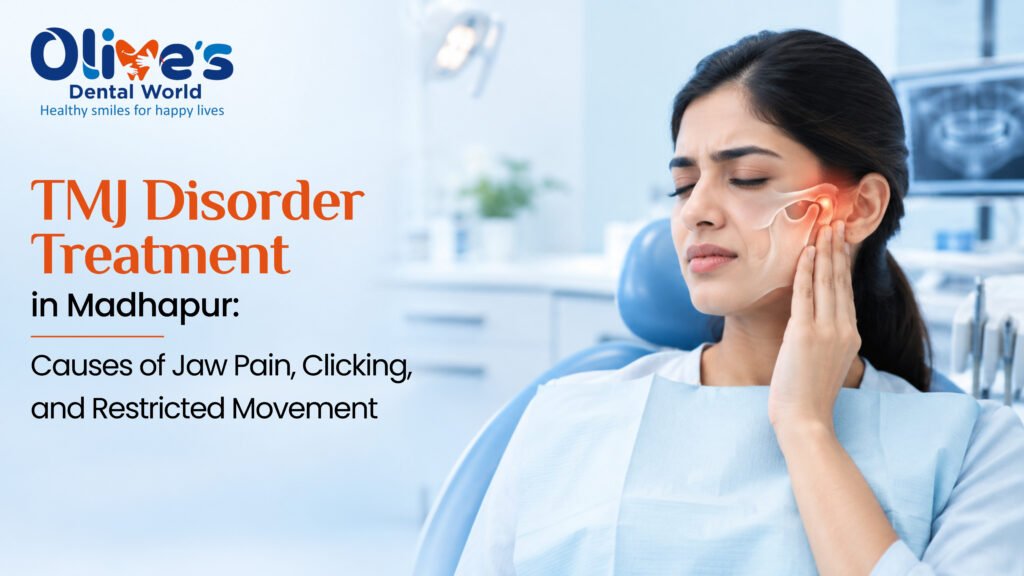
Jaw pain, clicking sounds while opening the mouth, and difficulty chewing can make everyday activities uncomfortable. These symptoms may be associated with temporomandibular joint disorders (TMD), which affect the joints connecting the lower jaw to the skull and the muscles responsible for jaw movement.
The temporomandibular joints play an important role in speaking, chewing, yawning, and opening or closing the mouth. When these joints or their surrounding muscles are affected, a person may experience pain, stiffness, headaches, and restricted jaw movement.
If you are experiencing these symptoms, understanding their causes and available treatments can help you make informed decisions about your oral health. Seeking professional care for TMJ disorder treatment in Madhapur can help identify the underlying problem and determine the most appropriate treatment approach.
What Is a TMJ Disorder?
The temporomandibular joints (TMJs) are located on both sides of the face, just in front of the ears. They connect the lower jawbone to the skull and allow the jaw to move smoothly during daily activities.
A temporomandibular disorder can affect the joints, the muscles that control jaw movement, or the tissues surrounding them. These conditions can cause discomfort ranging from occasional clicking to persistent pain and difficulty opening the mouth.
TMJ disorders may develop due to teeth grinding, jaw clenching, muscle tension, injury, arthritis, or changes in the movement of the joint. Symptoms and severity vary from person to person, so treatment should be based on a proper clinical assessment.
Common Causes of TMJ Disorders
Understanding the possible causes of TMJ disorders is important for selecting suitable treatment and preventing further discomfort.
1. Teeth Grinding and Jaw Clenching
Teeth grinding, also known as bruxism, can place excessive pressure on the jaw muscles and joints. Some people grind their teeth during sleep, while others clench their jaws during the day without realising it.
Frequent grinding or clenching may contribute to jaw soreness, headaches, facial muscle tenderness, and tooth wear. A dentist can examine the teeth and jaw to determine whether these habits may be contributing to the symptoms.
2. Stress and Muscle Tension
Stress can contribute to increased muscle tension and unconscious jaw clenching. When the jaw muscles remain tense for long periods, they may become sore and uncomfortable.
Relaxation techniques, awareness of daytime clenching, and professional guidance may help reduce unnecessary pressure on the jaw.
3. Jaw Injury or Trauma
An accident, sports injury, or direct impact to the face can affect the jaw joint and surrounding tissues. Following an injury, some people experience pain, swelling, difficulty chewing, or restricted mouth opening.
Significant facial injuries should be evaluated promptly to determine whether the joint, jawbone, or other structures have been damaged.
4. Arthritis and Joint Inflammation
Arthritis can affect the temporomandibular joint and contribute to stiffness, discomfort, and changes in jaw movement. Symptoms may become more noticeable when chewing or opening the mouth widely.
A dental or medical professional can assess whether arthritis or another joint condition may be responsible.
5. Changes in the Joint Disc
A small disc inside the temporomandibular joint helps the joint move smoothly. If the disc moves from its usual position or the joint’s movement changes, clicking, catching, or restricted movement may occur.
Not every clicking sound indicates a serious problem. However, clicking accompanied by pain or locking should be assessed by a qualified professional.
6. Repetitive Jaw Habits
Frequent gum chewing, nail biting, chewing hard foods, and repeatedly opening the mouth very wide may aggravate existing jaw discomfort.
Reducing these habits can help minimise strain on the jaw muscles and joints.
Symptoms of TMJ Disorders
TMJ disorders can cause a variety of symptoms depending on the structures affected.
Jaw Pain and Tenderness
Pain may occur around the jaw joint, cheeks, or muscles near the ears. It may become more noticeable while chewing, speaking, yawning, or opening the mouth.
Clicking or Popping Sounds
Clicking, popping, or grinding sounds may occur when opening or closing the mouth. Painless clicking without restricted movement does not always require treatment. However, clicking associated with pain or locking should not be ignored.
Restricted Jaw Movement
Some people experience stiffness or difficulty opening their mouths fully. In certain cases, the jaw may temporarily lock or become difficult to move normally.
Headaches and Facial Muscle Pain
TMJ disorders may be associated with headaches around the temples, facial muscle soreness, and discomfort extending into the neck. Other conditions can cause similar symptoms, so an examination may be necessary.
Ear-Area Discomfort
Because the jaw joints are located close to the ears, some people experience pain around the ear region. Ear infections and other conditions can also cause this discomfort, making proper evaluation important.
If these symptoms persist, interfere with eating, or become progressively worse, consult a dental professional for an assessment.
How Are TMJ Disorders Diagnosed?
Before recommending TMJ disorder treatment in Madhapur, a dental professional will evaluate your symptoms and examine how your jaw functions.
The assessment may include:
- Medical and dental history: Reviewing the duration of symptoms, previous injuries, teeth grinding, jaw clenching, and other relevant conditions.
- Jaw movement examination: Checking how widely the mouth opens and whether movement causes pain, clicking, or locking.
- Muscle and joint assessment: Examining the jaw muscles, temples, and surrounding tissues for tenderness.
- Dental examination: Checking for tooth wear, damaged teeth, gum problems, and other potential causes of pain.
- Imaging when necessary: X-rays, cone-beam computed tomography (CBCT), or MRI may be recommended when additional information about the bones or soft tissues is required.
Not every patient requires advanced imaging. The appropriate diagnostic approach depends on the symptoms and examination findings.
TMJ Disorder Treatment Options in Madhapur
Treatment depends on the underlying cause, the severity of symptoms, and how much the condition affects daily activities. Many patients can begin with conservative, non-surgical approaches.
1. Conservative Home Care
For mild or uncomplicated symptoms, initial management may focus on reducing pressure on the jaw and allowing irritated tissues to settle.
A dental professional may recommend:
- Eating soft foods temporarily when chewing is painful.
- Applying a warm compress to tight jaw muscles.
- Avoiding chewing gum and hard or chewy foods.
- Avoiding excessive mouth opening.
- Keeping the jaw relaxed throughout the day.
- Practising relaxation techniques to reduce clenching.
These measures may help relieve discomfort, but persistent symptoms require professional assessment.
2. Custom-Made Night Guards
If teeth grinding or clenching contributes to the condition, a dentist may recommend a custom-made oral appliance.
A night guard can help protect the teeth from excessive wear and may help some patients manage their symptoms. Its benefits vary depending on the underlying condition, and it does not cure every type of TMJ disorder.
The appliance should be professionally assessed and adjusted when necessary.
3. Medication for Pain Relief
Depending on the diagnosis, a healthcare professional may recommend medication to manage pain or inflammation. Other medicines may be considered in selected cases.
Medication should be used under appropriate professional guidance, particularly if you have other medical conditions or take additional medicines. Avoid self-medicating for persistent jaw pain.
4. Jaw Exercises and Physical Therapy
Guided jaw exercises and physical therapy may help improve movement, reduce muscle tension, and restore function.
Exercises should be selected according to the condition. Forceful stretching or movements that increase pain should be avoided. A qualified professional can guide you through appropriate techniques.
5. Further Treatment for Persistent Symptoms
If symptoms continue despite appropriate conservative care, further assessment may be necessary.
Depending on the diagnosis, selected patients may benefit from procedures such as arthrocentesis, which involves flushing the joint with fluid. Surgery may be considered for specific joint conditions when other suitable treatments have not provided sufficient relief.
These procedures are not necessary for most uncomplicated TMJ disorders. Treatment decisions should be based on an accurate diagnosis and a discussion of potential benefits and risks.
Tips to Manage TMJ Discomfort at Home
Along with professional treatment, simple changes in daily habits may help reduce unnecessary pressure on the jaw.
- Choose softer foods when chewing causes discomfort.
- Avoid repeatedly opening your mouth widely to test clicking sounds.
- Keep your teeth slightly apart when your jaw is resting.
- Avoid chewing gum for extended periods.
- Avoid biting hard objects or using your teeth to open packaging.
- Practise relaxation techniques if you notice yourself clenching your jaw.
- Follow your dentist’s instructions for oral appliances and exercises.
If your jaw suddenly locks, you cannot open or close your mouth normally, or your symptoms follow significant facial trauma, seek prompt medical attention. Severe swelling, fever, or difficulty swallowing or breathing requires urgent assessment.
When Should You Consult a Dentist for TMJ Treatment?
You should consider a dental appointment if you experience:
- Persistent or recurring jaw pain.
- Clicking accompanied by discomfort.
- Difficulty chewing or opening your mouth.
- Repeated episodes of jaw locking.
- Morning jaw soreness associated with teeth grinding.
- Headaches or facial muscle pain associated with jaw movement.
Early evaluation can help identify the cause, rule out other dental conditions, and guide appropriate care.
Jaw pain does not always originate in the temporomandibular joint. Tooth infections, damaged teeth, gum problems, and other facial conditions may cause similar symptoms. A careful examination helps distinguish these problems and avoid unnecessary treatment.
If you are looking for TMJ disorder treatment in Madhapur, choose a qualified dental professional who evaluates jaw function, explains the available options, and recommends conservative care when appropriate.
Frequently Asked Questions (FAQs)
1. What is the most common cause of TMJ disorders?
TMJ disorders may develop due to muscle tension, teeth grinding, jaw clenching, injury, arthritis, or changes in joint function. The underlying cause varies between individuals.
2. Can a TMJ disorder go away without treatment?
Many mild TMJ symptoms improve with time and conservative care. However, persistent pain, jaw locking, or restricted movement should be assessed by a dental professional.
3. Is jaw clicking always a sign of a TMJ disorder?
No. Painless clicking can occur without a significant disorder. Clicking accompanied by pain, locking, or difficulty moving the jaw warrants professional evaluation.
4. Does TMJ disorder always require surgery?
No. Most cases are initially managed with non-surgical approaches. Surgery is considered only for selected conditions when the diagnosis and severity justify it.
5. When should I seek TMJ disorder treatment in Madhapur?
Consult a dentist if jaw pain persists, chewing becomes difficult, or clicking occurs with pain or restricted movement. Sudden jaw locking or significant facial injury requires prompt assessment.
Find Relief from Jaw Pain with Appropriate TMJ Care
TMJ disorders can affect your ability to chew, speak, yawn, and perform everyday activities comfortably. Jaw pain, clicking sounds, stiffness, and restricted movement are common symptoms, but their underlying causes can vary.
The right treatment starts with an accurate diagnosis. Conservative care, habit changes, suitable oral appliances, and guided exercises may help many patients manage their symptoms, while advanced procedures are reserved for selected cases.
If you experience persistent jaw discomfort or difficulty moving your mouth, consider seeking professional evaluation for TMJ disorder treatment in Madhapur. Timely assessment can help you understand the cause of your symptoms and make informed decisions about your oral health.
contact :91 954 20 32 32
visit out website:https://olivesdentalworld.com/